About
I like to create things...music, software, festivals, sandwiches. I love it all.
i like to build things
Jump to a chapter
I went to Illinois State to study physics—computational physics mostly—and this was early enough in the internet that I remember using Mosaic and Spyglass when they were new. The web wasn't a career yet. It was this incredibly weird thing happening on computers at school.
And I liked it.
But I also wasn't convinced that physics was the only thing I wanted to think about, so after finishing my degree I went back to school and studied English and theater. I took graduate-level classes, studied with David Foster Wallace, read a lot, wrote a lot, did theater, played music.
For a minute I thought maybe that was the direction.
Then the internet happened.
Or, more accurately, the internet suddenly became something people were willing to pay you to build.
Which, if you were a physics person who knew computers but was also obsessively interested in music, writing, design and how people communicated with each other...was pretty good timing.
So I went to work on the web.
Almost thirty years later, I'm still basically doing the same thing.
Sometimes the thing I'm building is software.
Sometimes it's a product.
Sometimes it's a website, a team, a venue, a festival, a business process, or an entire organization.
The medium keeps changing. The problem is usually pretty similar:
There is an idea. It doesn't quite work yet. How do we make it real?
The medium keeps changing. The problem is usually pretty similar.
The Early Internet
My first professional web job was at a small ISP called A5.
Then I landed at Rollingstone.com / Tunes.com / eMusic in the late '90s, which was an especially fun time to be interested in both computers and music because nobody really knew yet what music on the internet was supposed to become.
So we made things.
We built music sites and content-management tools and advertising systems. We built a browser-based streaming radio player that could be branded for different companies—Budweiser, American Express, Tommy Hilfiger and others.
Some of those things now sound completely ordinary.
They were not particularly ordinary in 1999.
That was one of the things I loved about the early web: almost everything involved asking some version of, "Could we do this?"
And then opening a text editor and finding out.
Microsoft
Eventually I moved to Seattle and spent six years at Microsoft working on Windows Search, Windows Media Player and WindowsMedia.com.
This was my first experience building software at truly enormous scale.
I worked on desktop search in Windows XP, including a search experience that shipped in 32 languages. I worked on semantic search, privacy and security, music discovery and shopping, and the system that let outside music services like MSN and Napster appear directly inside Windows Media Player.
I'm also a joint inventor on two patents involving search and metadata.
Microsoft taught me a lot about building systems where changing one little thing may involve fifty people, five teams, three countries and a legal review.
Which, weirdly, turns out to be excellent preparation for producing a music festival.
KEXP
In 2007 I joined KEXP as Director of Online Technology.
This is probably where all the different parts of my brain finally found themselves in the same job.
Music. Technology. Product development. Software. Media. Strategy. Partnerships. A nonprofit mission. A lot of extremely smart and slightly obsessive people.
We were trying to figure out what a great radio station should become when radio didn't have to stop at the edge of its FM signal anymore.
I led work around streaming, archived shows, websites, mobile apps, metadata, cloud infrastructure, video and the beginnings of a digital library.
I wrote a three-year product strategy that KEXP's board approved.
We released applications for iPhone, iPad, Android and Windows.
And I initiated the work that eventually became a multi-year, multi-million-dollar technology partnership with Microsoft supporting KEXP's online mission.
That sounds very tidy written as a paragraph.
It was not tidy.
There were lawyers and contracts and servers and fundraising and vendors and developers and broken streams and strange metadata and listeners writing us at 2 AM because the player wouldn't work in some version of RealPlayer.
Which is probably part of why I liked it.
I was a director, but I never became particularly interested in being the kind of director who didn't know how the thing worked.
Back to the Code
After KEXP I did something that, on paper, probably looked like moving backwards.
I became a software engineer again.
On purpose.
I joined Substantial because I'd spent years managing technology and I wanted to know whether I could still actually sit down and build modern software myself.
Turns out I could.
I worked on products including Savage Lovecast, Teaching Channel and DrinkDistiller and reacquainted myself with the deeply satisfying experience of spending an unreasonable amount of time discovering why one tiny thing isn't doing the thing it obviously should be doing.
Then I spent a short stint at Zillow working on what was then fairly weird real-estate technology: 3D modeling, video, drones, new forms of property data and ways of representing homes online.
Factory Belt
In 2015 I started Factory Belt Productions.
Factory Belt is deliberately hard to explain because I've used it to do all the things I like doing that don't fit neatly under one title.
I've built websites and applications.
I've helped organizations figure out technology.
I've done product strategy.
I've managed long-term digital systems for clients.
I've released records.
I've produced shows.
I've fixed things that were very much not described in the original scope of work.
Some clients have lasted a few weeks. Some have lasted years.
My favorite version is when I stop being "the web person" and simply become the person someone calls when a strange technology or product problem appears and somebody needs to sort it out.
Factory Belt is still very much alive.
Music Technology
When live music disappeared in 2020, I joined LoudSwell.
The premise was pretty direct: musicians couldn't play shows, audiences were sitting at home, and existing livestream platforms weren't especially good at making a live performance feel like a show.
We built around that problem.
Across the life of LoudSwell we streamed more than 300 performances and helped put more than $250,000 in direct fan tips into artists' hands.
At roughly the same time I became Director of Platform at ToneStone, a music-creation startup started by Greg LoPiccolo and others with very deep histories in music and games.
I hired and managed a small engineering team, worked on architecture, AWS, data and product, wrote code, and helped ship the product on Steam.
We also wandered into Unity and VR because...why wouldn't we?
I've never been very interested in choosing between being an engineer and being a manager.
They're different tools.
Sometimes you need one. Sometimes you need the other.
Awarity
More recently I've been a founding product and engineering contributor at Awarity.
I started working on it before the company was formally incorporated and have continued building product and software across desktop and mobile/iPad environments.
This is another kind of work I really enjoy: the stage where everyone knows approximately what the thing is, but nobody knows exactly what the thing is yet.
There's a lot of uncertainty.
That's the good part.
Music
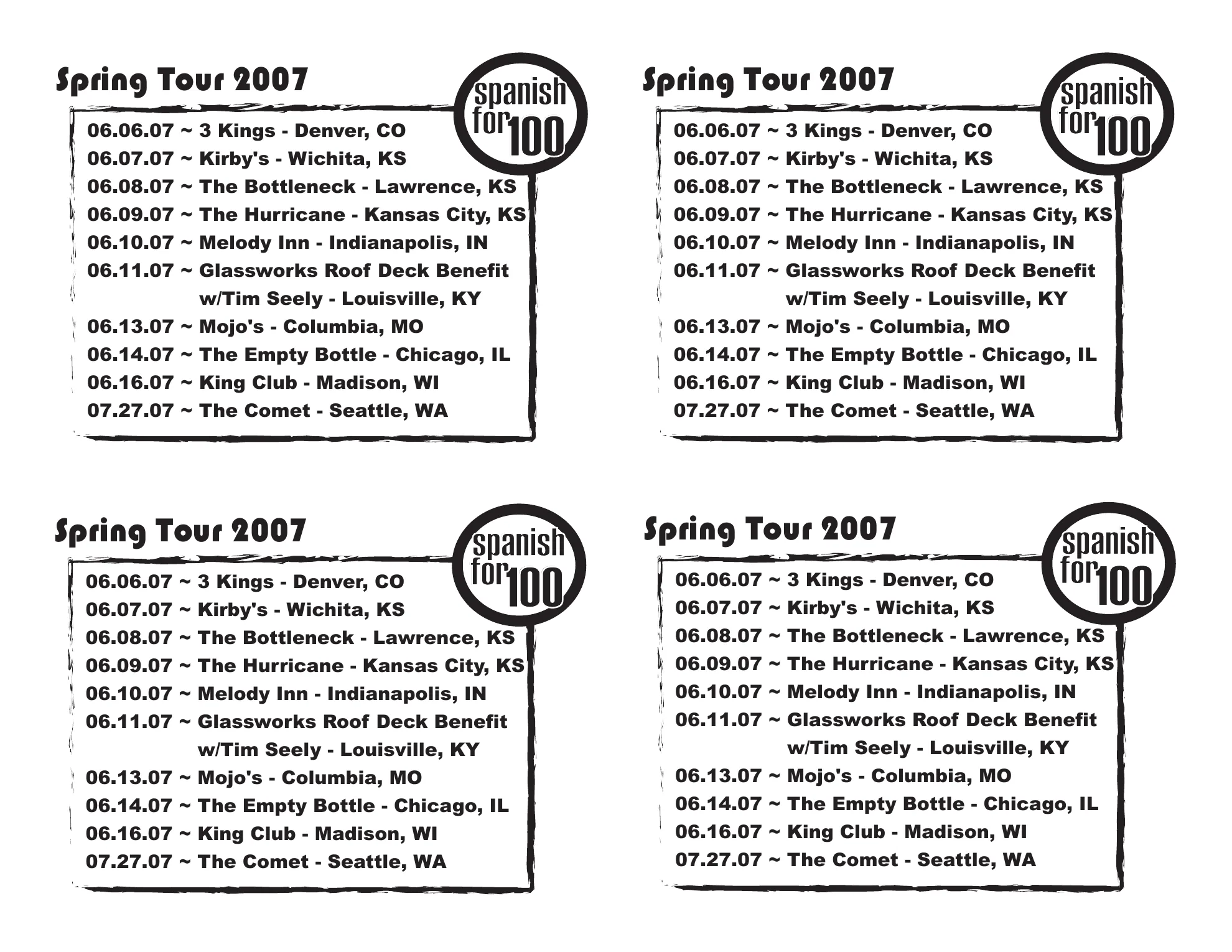
Through all of this, I've continued making music.
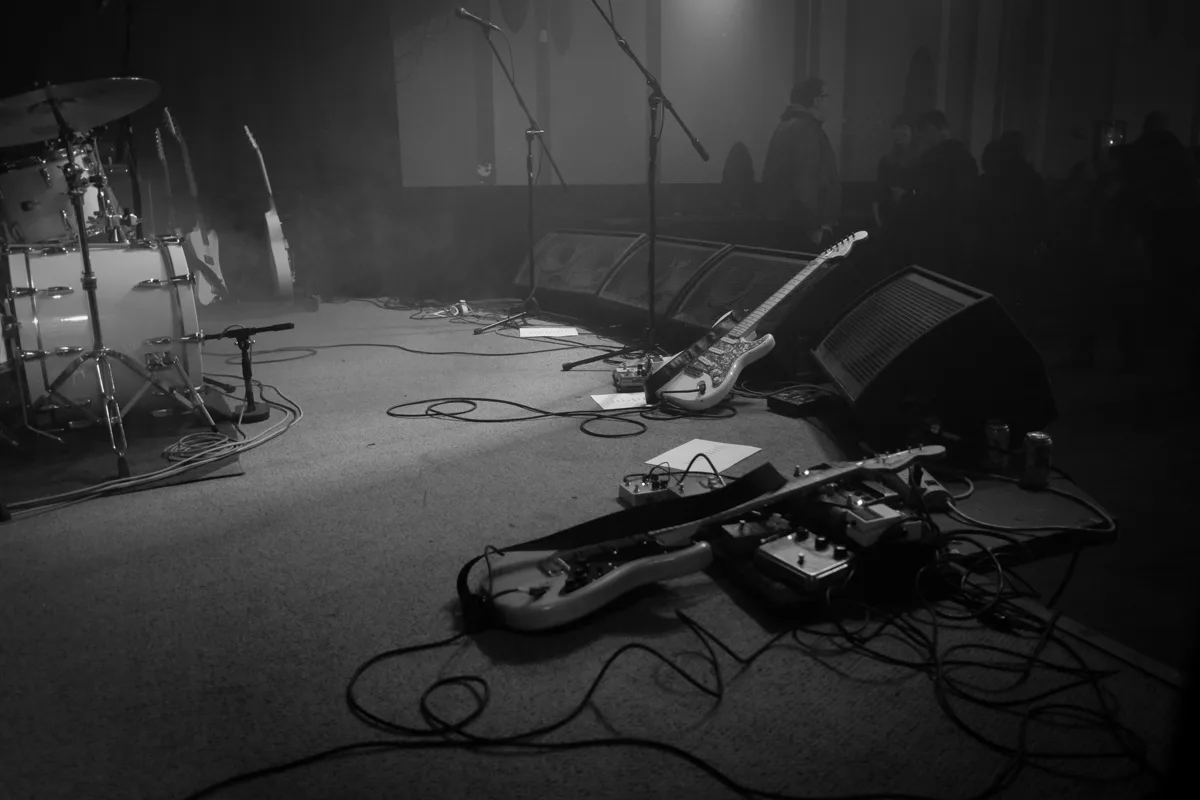
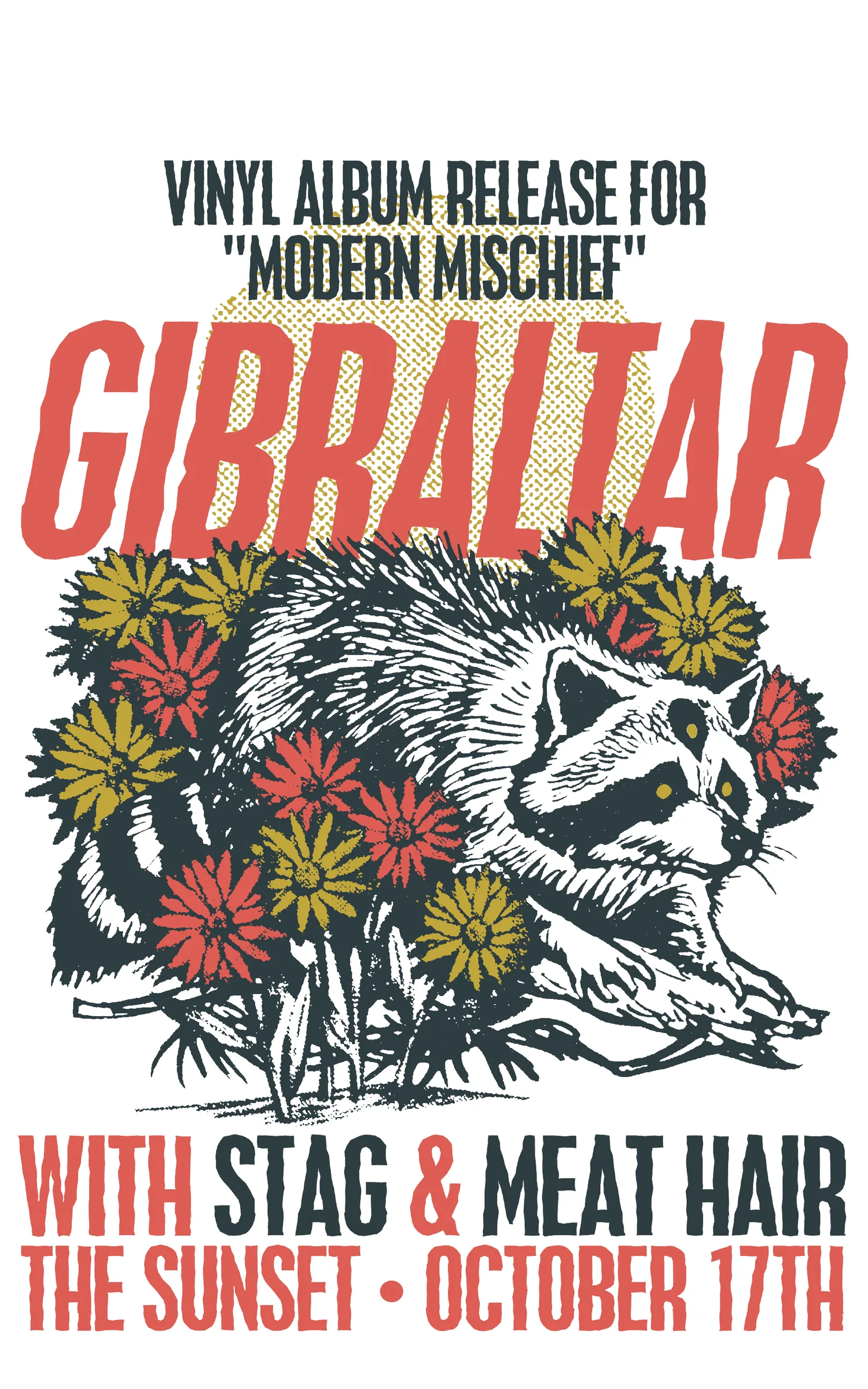
Bands, records, rehearsals, tours, guitars, studios, bad load-ins, excellent load-ins, benefits, tiny clubs, bigger stages, recording sessions that worked instantly, recording sessions that very much did not.
I've been involved substantially in more than ten nationally released records. I've run an independent label. I've produced benefit shows. I served as a Governor and Vice President of the Pacific Northwest Chapter of the Recording Academy.
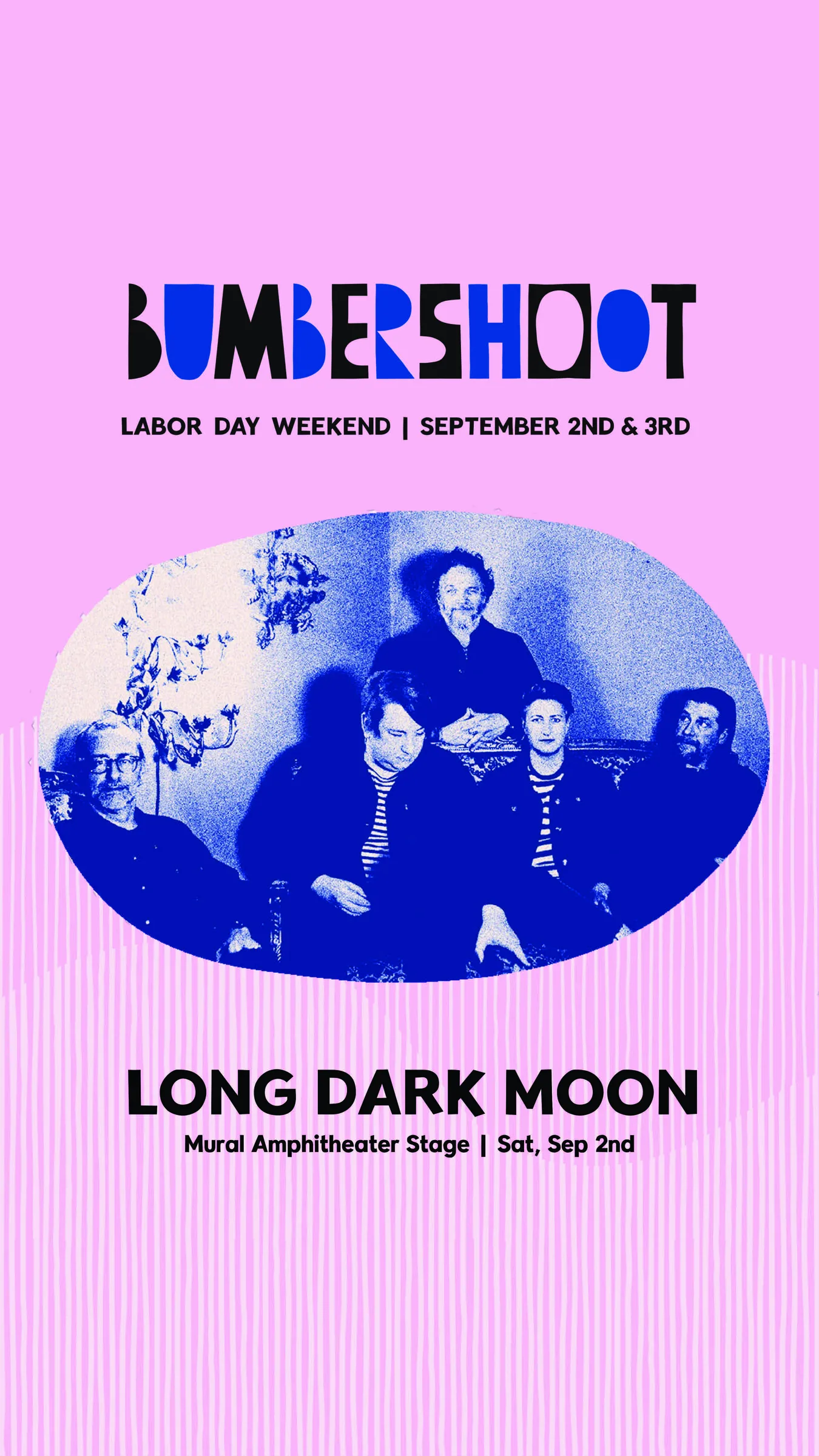
My current band is Long Dark Moon.
I don't really think of music as the other half of my life.
It's all the same life.
Music is probably one of the reasons I've always been interested in systems in the first place. Musicians spend an enormous amount of their lives building structures around the thing they're ostensibly there to do.
Bands. Recording setups. Rehearsals. Tours. Websites. Ticketing. Merch. Promotion. Distribution. Venues. Contracts. Communities.
The song is the song.
Everything around it has to work.
The Recording Academy - Pacific Northwest Chapter
The Recording Academy - Pacific Northwest Chapter
So What Do I Actually Do?
On paper this career can look a little ridiculous:
Physics.
English and theater.
The early web.
Rolling Stone.
Microsoft.
KEXP.
Software engineering.
Zillow.
Consulting.
Music startups.
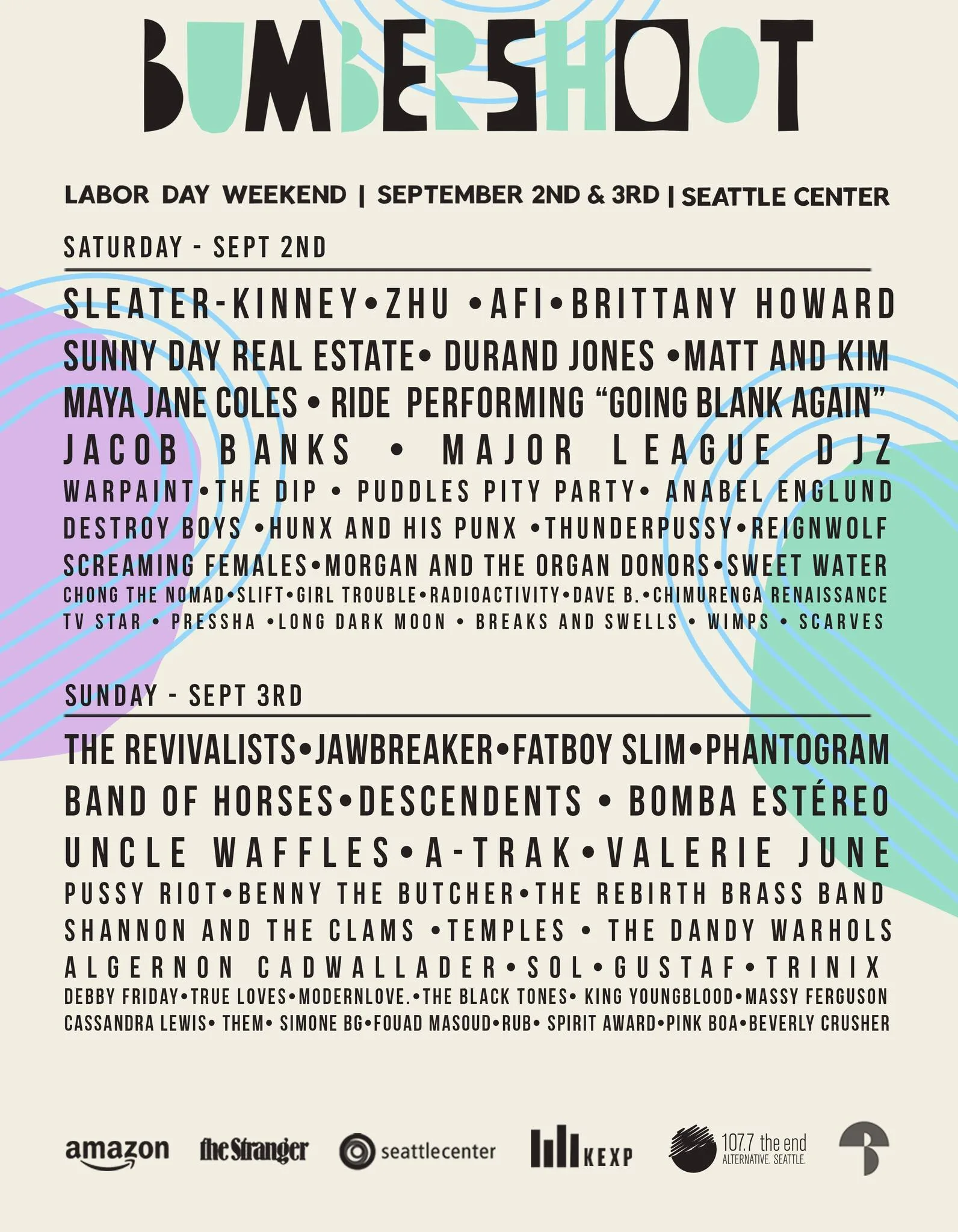
Bumbershoot.
An arts venue.
A band.
But to me it doesn't feel especially disconnected.
I like complicated things.
I like understanding how the pieces fit together.
I like people who are really good at what they do.
And I like the point where an idea stops being something people are talking about and starts becoming a thing that actually exists.
Sometimes I do that by writing code.
Sometimes by hiring people.
Sometimes by negotiating a partnership.
Sometimes by making a spreadsheet.
Sometimes by crawling underneath something to figure out why it isn't turning on.
The title changes.
The work really hasn't.
I build things that have to work.